
-
Home Ideas
-
Lifestyle
-
Parenting
-
Fun
-
Sign In
 Sign Out

Don't miss the designs you like!
The Silk Road is an ancient network of trade and cultural transmission routes through regions of the Asia continent. They stem from the 5,000 km long property that crosses over the central capital of China (Chang'an/Luoyang) in the Han and Tang dynasties, the Zhetysu region of Asia. The roads cross over into Kazakhstan and Kyrgyzstan as well. Various kingdoms, settlements, temples, beacon towers, tombs, fortresses and even the Great Wall are a part of the network that now has become a synonym used to define the illegal trading that takes place on the internet. Despite the different meaning the name might take on these days, its importance in history has always stayed so, it is a place to visit once in a lifetime.
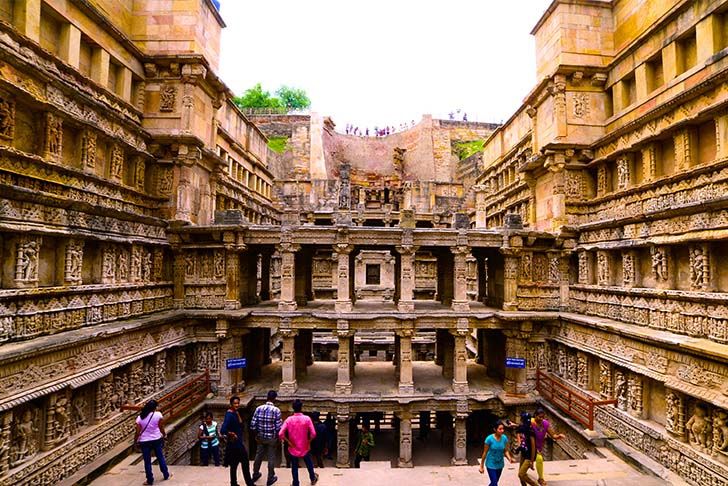
Rani Ki Vav is amongst the finest stepwells in India, and one of the most famous legacies of the ancient capital city. Located on the edges of the Saraswati River, it was initially built as a memorial to a king in the 11th century AD. Stepwells are a distinctive form of subterranean water resource and storage systems on the Indian subcontinent and have been constructed since the 3rd millennium BC. They evolved over time from what was only a pit in sandy soil towards elaborate multi-storey works of art and architecture. Rani-ki-Vav was built at a time when craftsmen were at the height of their stepwell construction ability. The Maru-Gujarat architectural style reflects mastery of this complex technique and majestic beauty of detail and proportions.
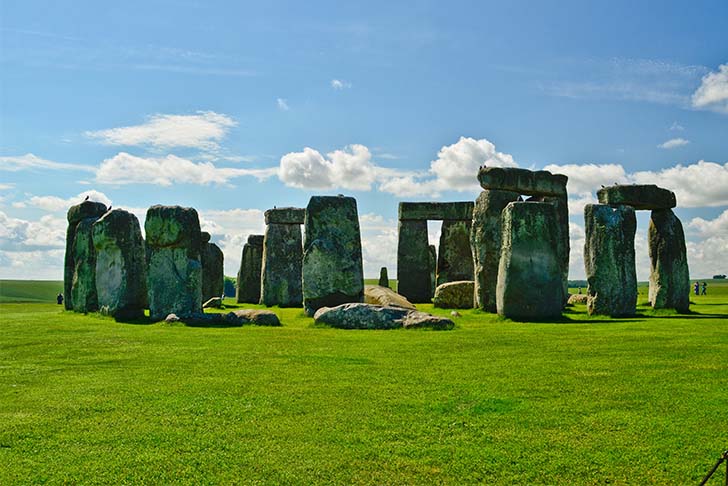
Stonehenge, Avebury and Associated Sites all are among the most famous groups of prehistoric megalithic monuments in the world. They were built between c. 3700 and 1600 BC. Stonehenge is one of the most impressive prehistoric megalithic monuments on account of the sheer size of its megaliths, the sophistication of its concentric plan and architectural design, and the precision with which it was built. The circles of menhirs are conceived in a pattern that holds some astronomical significance. Embodying a plethora of heritage, Stonehenge has been the center of mortuary practices for 2,000 years. It's still unclear if this site is to be accidental or to be done by primitive species, but one thing is quite clear, if you visit England, this should not be missed!
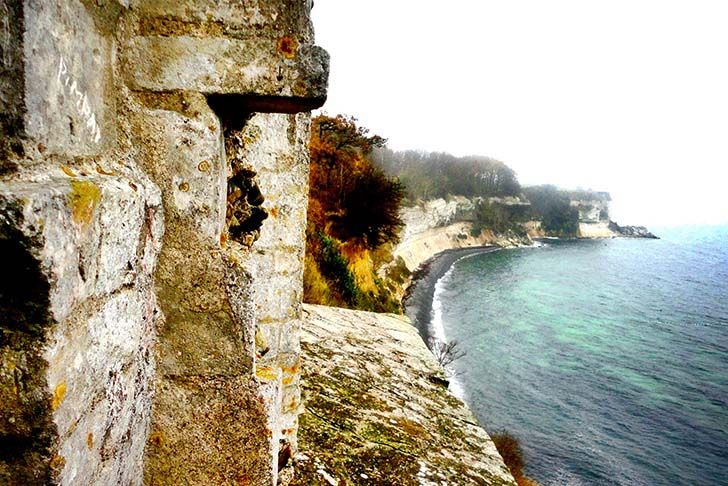
Stevns Klint is a white chalk cliff located some 6 km southeast of Store Heddinge on the Danish island of Zealand. Stretching 14.5 km along the coast, it is of geological importance as one of the best exposedCretaceous-Tertiary (K/T) boundaries in the world. The property provides confirmation of the Chixulub meteorite impact that occurred toward the end of the Cretaceous Period, c.67 million years ago, and is widely believed to have caused the end of the Age of the Dinosaurs. Due to the unique status that this asteroid impact has had for the history of Earth, the United Nations Educational, Scientific and Cultural Organization, UNESCO, decided in June of 2014 to add Stevns Klint to The World Heritage List as a place with outstanding universal value.
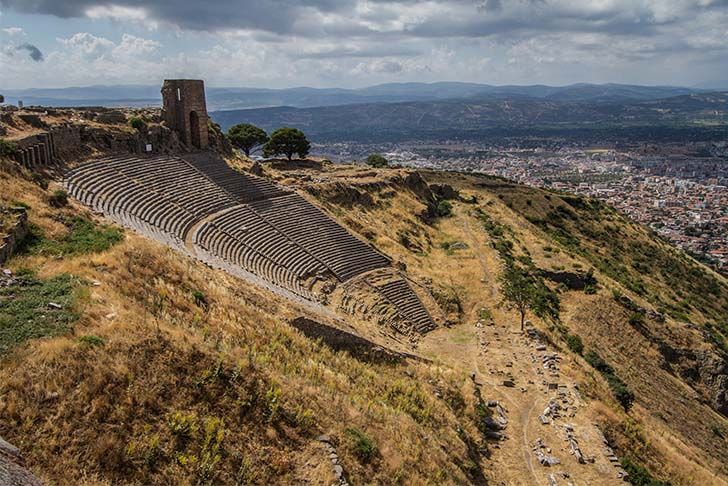
Pergamon and its Multi-Layered Cultural Landscape shows remains of the Hellenistic Attalid, Roman, Byzantine and Ottoman empires. It became the capital of the new kingdom of Pergamon that Philetaerus founded in 281 BC, beginning the Attalid dynasty. This site rises high above the Bakirçay Plain in Turkey's Aegean region. When looking down from the top of the globe, the Acropolis is visible from another hill where the Kybele Sanctuary lies carved out of stone. For any war-historian, this is a dream location to stand atop and soak in all the stories the land has to offer. The area itself measures 333 hectares and meets five different heritage listing criteria.
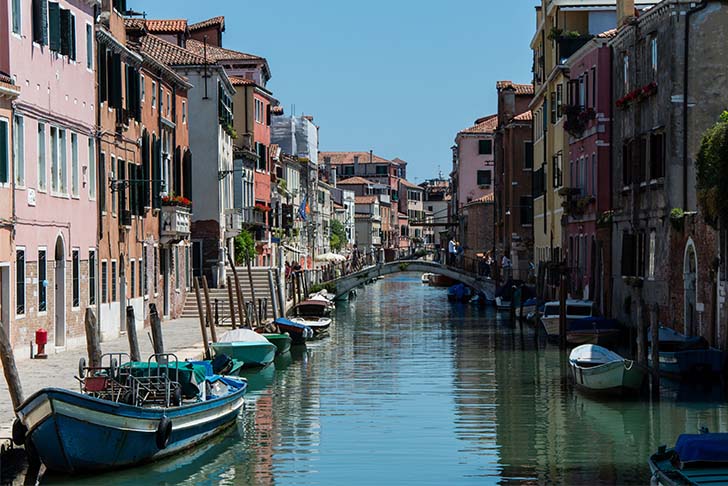
Venice and its Lagoon is a unique achievement of art, architecture and struggle against the elements. Located in Northeast Italy, Venice was founded in the 5th century and is spread across 118 tiny islands. The lagoon covers 50,000 square kilometers and has been a significant area since Venetians escaped barbarian raids by fleeing to the nearby sand-covered islands. Records on Venice date back to the 5th and 6th centuries when refugees from the Venetian countryside took shelter in the Lagoon. The inhabitants transformed it into an important trading center for shipping in the Mediterranean and towards the Orient. And nowadays, Venice is a favorite tourist city of Italy.
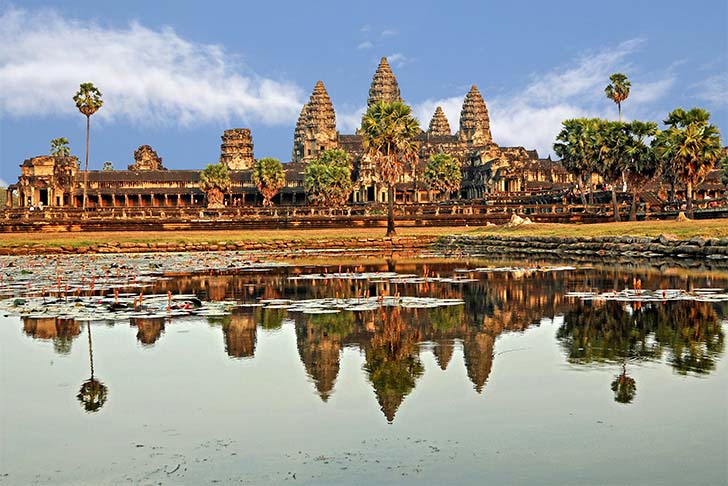
Deep in the forests of Cambodia's Siem Reap province, the elegant spires of an ancient stone city soar skyward above the sprawling complex of Angkor Archaeological Park. The twelfth-century "temple-mountain was built as a great home for the Hindu god Vishnu. The temple is an architectural triumph laden with artistic treasures like the bas-relief galleries that line many walls and tell enduring tales of Cambodian history and legend. Although just one of hundreds of surviving temples and structures, the massive Angkor Wat is the most famed of all Cambodia's temples, and it appears on the nation's flag. More than 100,000 inhabitants span 112 historic settlements on the site and are consistently trying to expand their dwelling area. It is also near to the town of Siem Reap, a neighboring tourist spot.
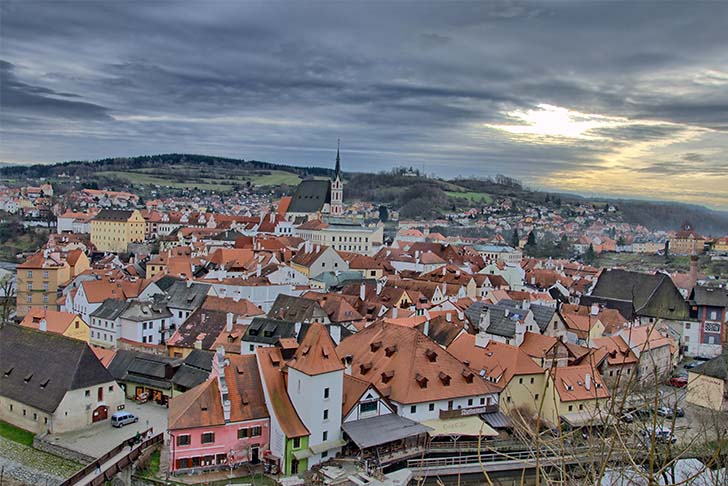
When you arrive in Český Krumlov, Czech Republic, you will be captivated at first glance by the impressive panorama of the chateau, which rises above the Renaissance architecture of this little town. Situated on the banks of the Vltava river, the town was built around a 13th-century castle with Gothic, Renaissance and Baroque elements. It is a cultural center with a dozen museums and galleries, historical and modern theaters, including the Castle Baroque Theater built in the 1600's, and the revolving auditorium, built in the 20th Century. The tourist season starts in May, and summer offerings art festivals, theater performances, concerts, film festivals, and children's events throughout the season.
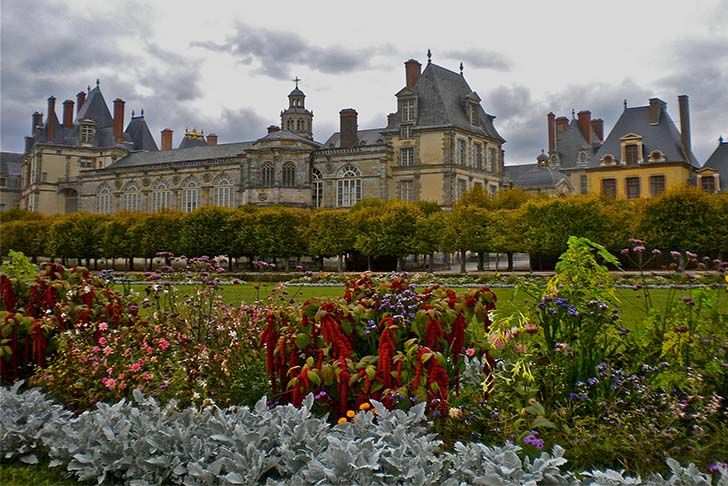
The Palace and Park of Fontainebleau in France has been influential for its architecture and interior decor made by Italian artists. King Francis I, who reigned from 1515-1547, brought in painters, sculptors and architects from Italy to ornate this palace. Set on the water surrounded by lush greenery, it's a palace made for the set of a Disney movie. Its original use, however, was intended for the royal hunting lodge of Fontainebleau especially for the French Kings during the 12th century that resided here. With more than 1500 rooms at the heart of 130 acres of parkland and gardens, Fontainebleau is the only royal and imperial ch??teau to have been continuously inhabited for seven centuries. A visit to Fontainebleau opens up an unparalleled view of French art history and architecture.
As a holy city for Judaism, Christianity and Islam, Jerusalem has always been of great symbolic importance. Old quarters and city walls is a general description of 226 monuments from all three major religions. Most important monument for the Jews is the Western Wall, for the Christians it is the Church of the Holy Sepulchre and for the Muslims the Dome of the Rock. A younger generation might notice that the Jerusalem setting is a popular landscape for many modern video games most notably Assassin's Creed. Jerusalem's present walls were built under the requests of Suleiman the Magnificent between the years 1537 and 1541. A few portions were built over the ancient walls from 2,000 years ago. The walls were constructed to prevent invasions from local tribes.

 Click Allow for free updates on top stories you'd love!


